A Buyer's Guide to LA's Architectural Movements
By Priya Anand
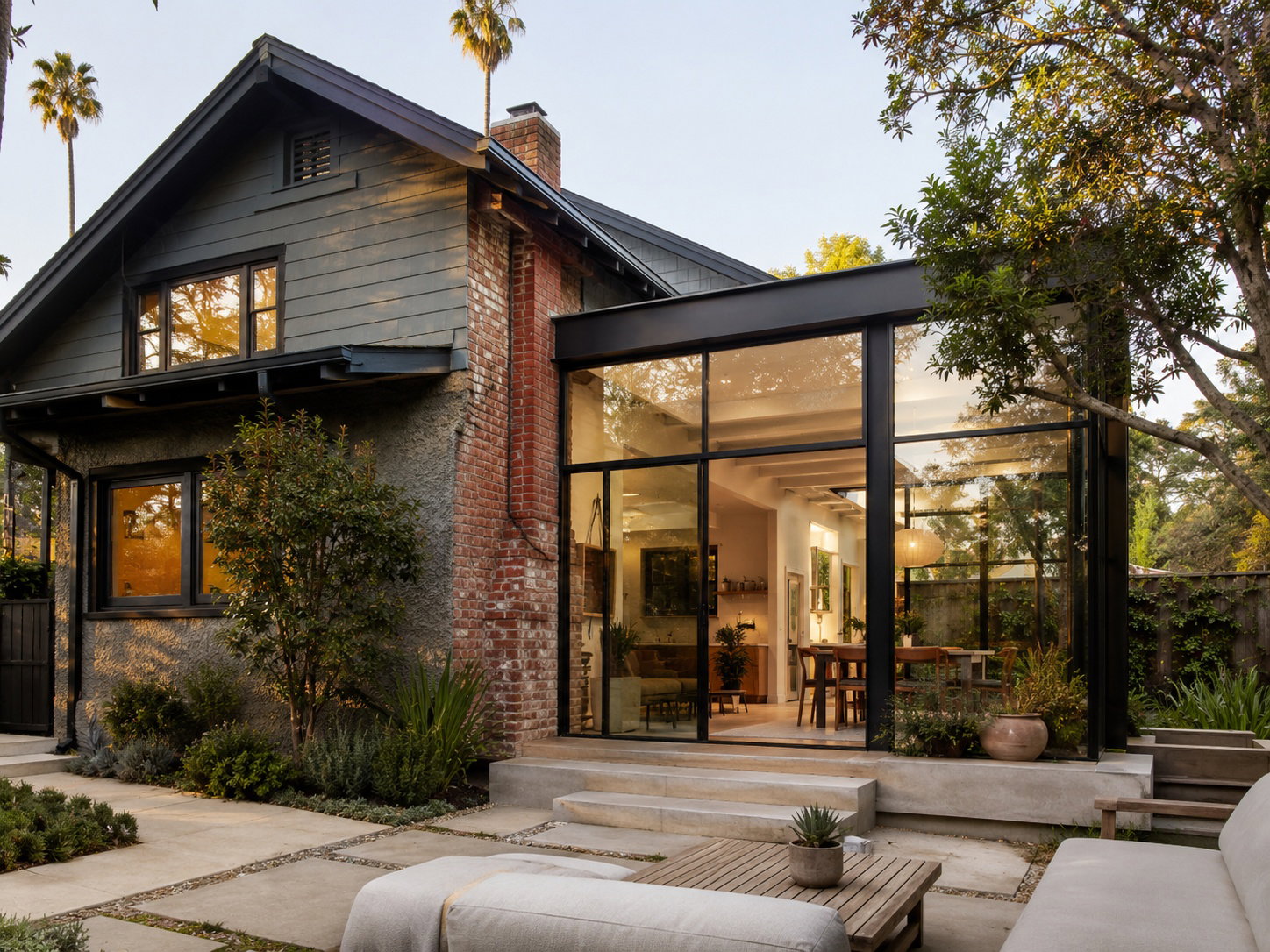
Los Angeles hasn't just hosted great architecture, it's produced entire movements that changed how the rest of the country thinks about houses. If you're buying here, you're not just buying square footage, you're buying into one of a handful of genuinely distinct architectural traditions, and knowing which one you're looking at changes how you should evaluate the house.
Mid-century modern
The style most people picture when they think of LA architecture: post-and-beam construction, walls of glass, low horizontal rooflines, an obsession with dissolving the line between indoors and out. It flourished in the hills, Laurel Canyon especially, through the 1950s and 60s, driven by architects experimenting with cheap steel and glass after the war. When it's original, the structure itself is usually the most valuable thing about the house, which means renovations that respect the post-and-beam grid are worth far more than ones that fight it.
Spanish Revival
A generation earlier, the 1920s and 30s produced white stucco walls, terracotta roofs, wrought iron, and hand-painted tile, borrowing loosely from Mission and Andalusian architecture and reinterpreting it for a city inventing its own identity. Los Feliz and Hancock Park have some of the best surviving examples. The details matter enormously here: original tile and ironwork add real value, while a stripped-down remodel that removes them usually subtracts it.
Craftsman
Older still, and more common than people expect. Built-in cabinetry, box-beam ceilings, deep front porches, an emphasis on visible, honest woodwork. Craftsman bungalows are everywhere in Los Feliz and the older pockets of Silver Lake, and they reward buyers willing to restore rather than gut.
The new wave
What's actually getting built now, especially in Venice and parts of Silver Lake, tends to be concrete, glass, and steel, new construction that borrows the mid-century instinct toward indoor-outdoor living but executes it with contemporary materials and, often, a courtyard or central void that pulls light into a narrow urban lot.
What this means when you're buying
A house that mixes eras, a Craftsman with a bad 1980s addition, a mid-century with vinyl windows, isn't necessarily a bad buy, but you should know exactly what you're paying for original versus later work, because they don't hold value the same way. That's the whole reason I look at a listing the way I do: the architecture tells you what's actually valuable before the comps do.
Recent posts

02 Aug 2026
Elena Vos
The New Wave of Venice Architecture: What's Actually Getting Built
Venice is building more than almost anywhere else in LA right now, and most of it looks nothing like the beach bungalows the neighborhood is known for.

02 Aug 2026
Jonah Reyes
Is Silver Lake Still Silver Lake?
I've been asked some version of "is Silver Lake still Silver Lake" for eight years now. Here's my honest answer.